Pieter Wtewael
TIBERIUS – DIRECTSALE
Selling price
€ 14.100
Pieter Wtewael
1596 – 1660
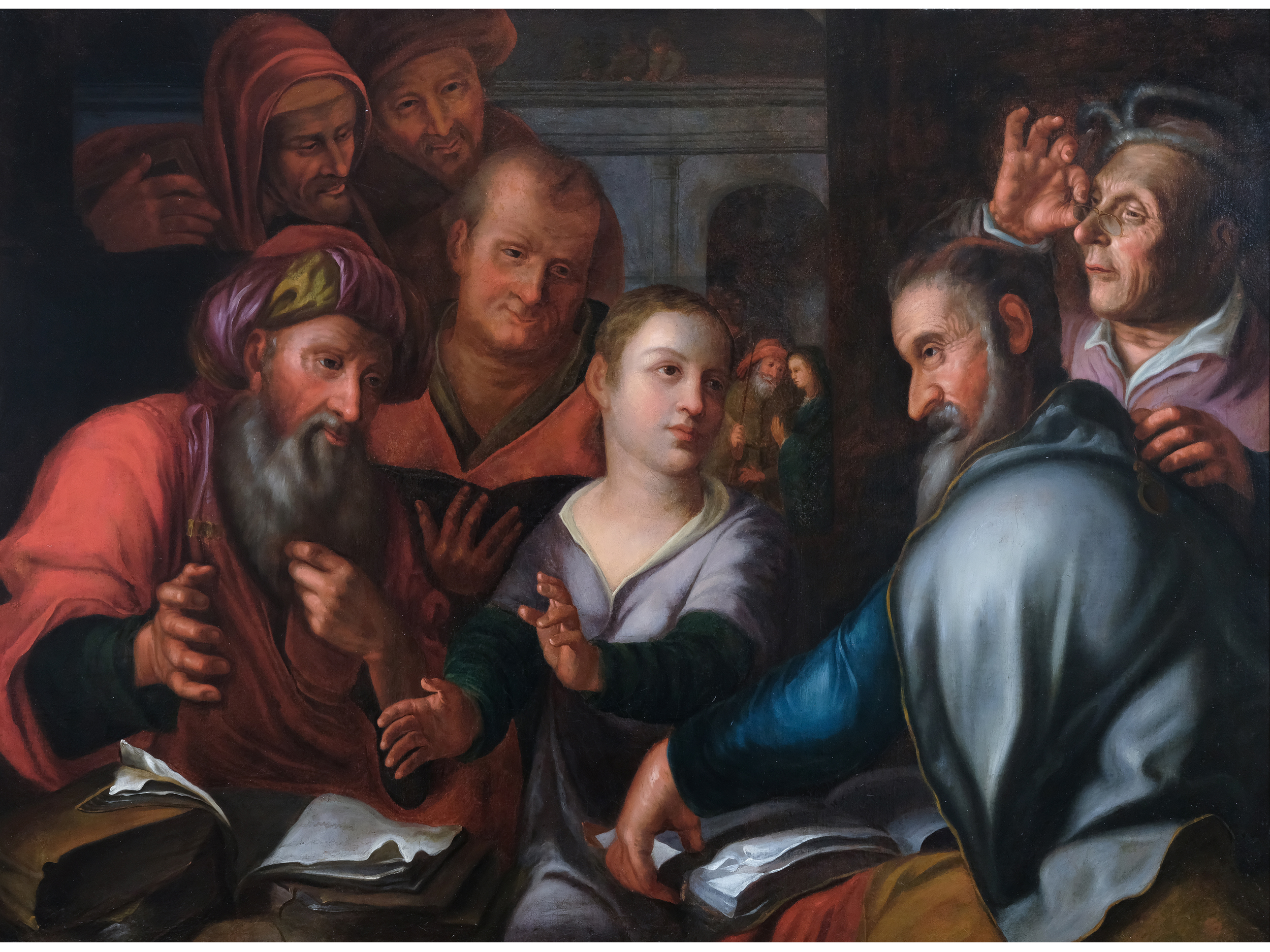
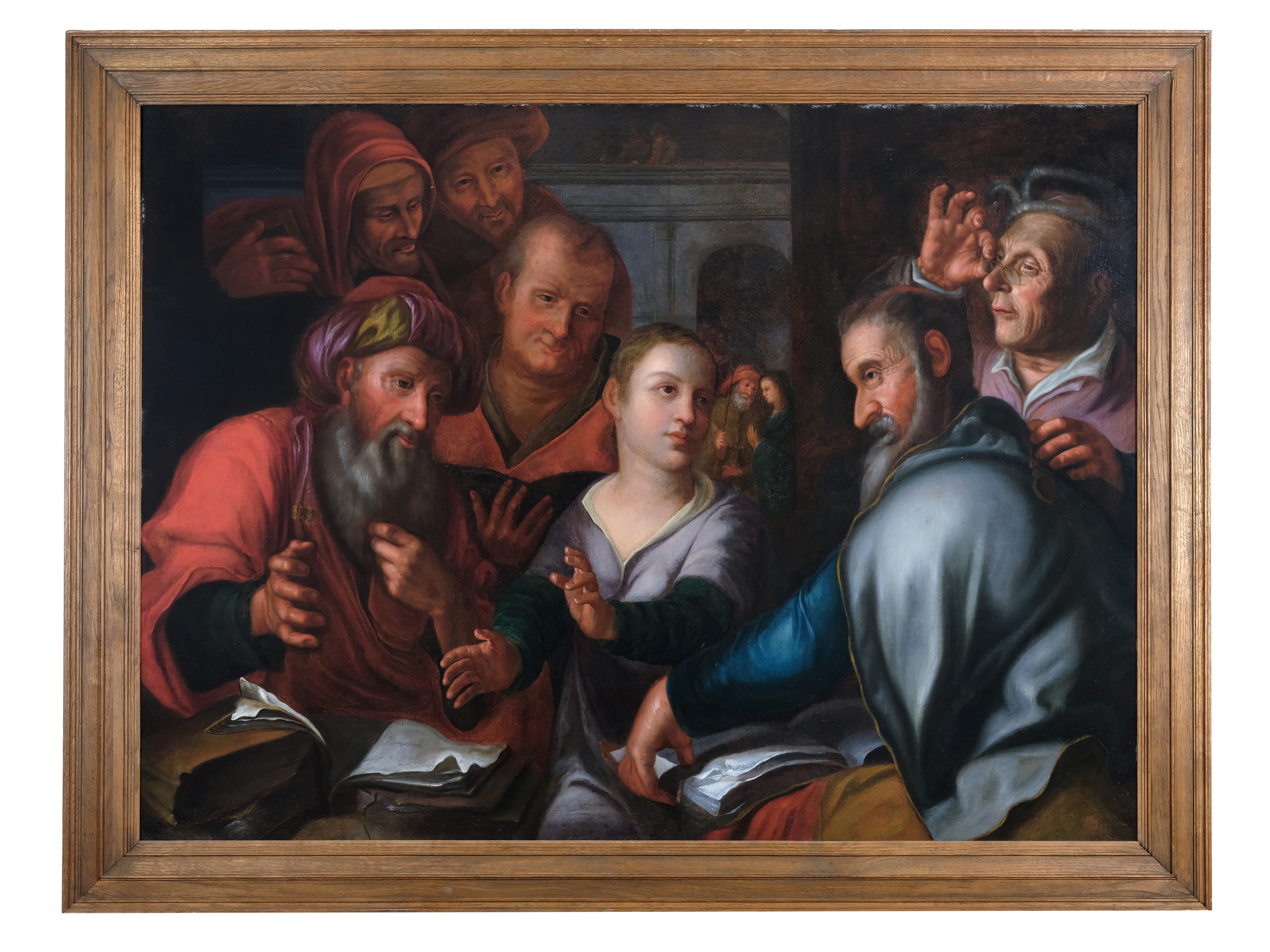
Christ with the Scribes
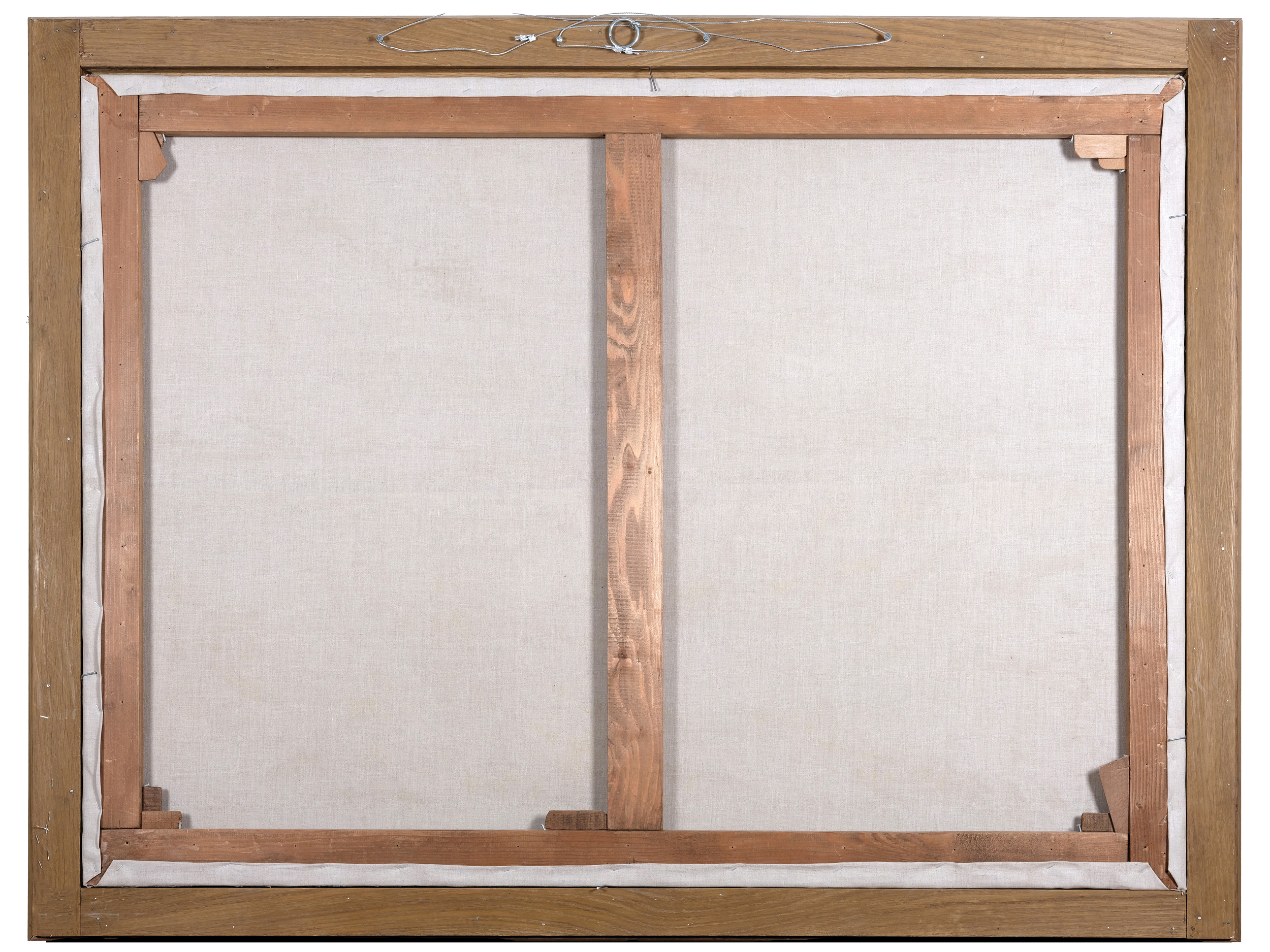
Oil on canvas, relined
101 x 134.5 cm, with frame 115 x 149.5 cm
Provenance: Auction at the Dorotheum (Old Masters, 2021, Lot 84), since then in the Vienna private collection of Dr. Adrian Hollaender
Hollaender Collection
This collection of renowned Old Masters, built up over many years with both expertise and good taste, comes from the home of the well – known Viennese lawyer, author (e.g., “Pavarotti – Addio Luciano,” “Legends and Stars of Opera”) and cultural manager Dr. Adrian Hollaender.
Having grown up in a distinctly artistic environment, where his parents—the actress and artist manager Univ. – Prof. Ariane Hollaender – Calix, and the legendary long – time director of the Vienna State Opera, Ioan Holender, stood out as avid art lovers and collectors, Dr. Adrian Hollaender established himself as a collector of outstanding masterpieces of painting.
His collection, now being offered exclusively for auction at Tiberius Auction House, comprises select works by famous Italian masters, such as Andrea Vaccaro’s well – known Old Testament painting “Abraham dismissing Hagar and Ishmael,” which bears his monogram; Sassoferrato’s atmospheric “Madonna in Prayer”; or old Venetian masterpieces by Nicolò Bambini and Francesco Corneliani and the legendary Il Mirandolese, through impressive portraits by the Turin master painter La Clementina, to Dutch masters such as van Goyen and Pieter Wtewael, as well as, as special additions, an old French tapestry and a typical Matisse.
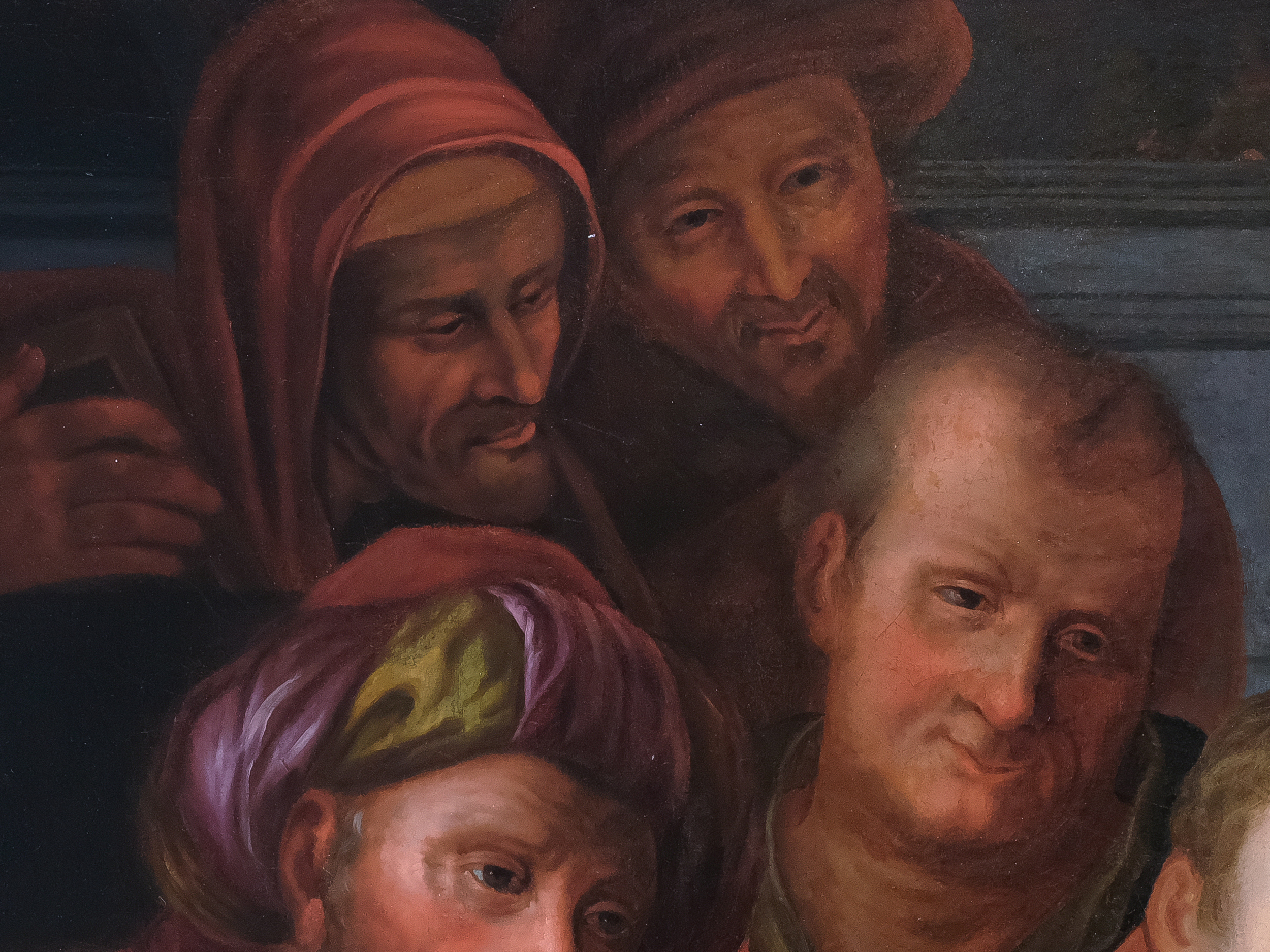
Pieter Wtewael, son of the prominent Utrecht painter Joachim Wtewael, is one of those artists whose independent body of work could only be clearly defined relatively late. Trained in his father’s studio, he adopted his father’s Mannerist style, yet simultaneously developed his own artistic signature. Although Pieter was active as a painter for only a limited period—roughly between the 1620s and the early 1630s—his work attests to high quality and stylistic confidence. The close connection to his father meant that numerous works were long attributed to Joachim; it was only in recent research that a more nuanced classification was achieved. Furthermore, it can be assumed that father and son occasionally worked together on paintings. The present painting, whose attribution was confirmed by Luuk Pijl, has already been the subject of an art – historical appraisal at the Dorotheum.
The depicted subject, Christ among the Scribes, is taken from the Gospel of Luke (Luke 2:41 – 52) and shows the twelve – year – old Jesus in the Temple in Jerusalem, where he debates with the scholars and astonishes them with his wisdom. The scene is one of the few depictions from the childhood of Christ and offers artists the opportunity to portray both Jesus’ intellectual superiority and the astonishment of the older authorities. At the same time, the episode points to the divine nature of Christ, which is already revealed at a young age. The theme was frequently taken up in 16th – and 17th – century Dutch painting, not least because of its potential for nuanced character studies and lively group scenes.
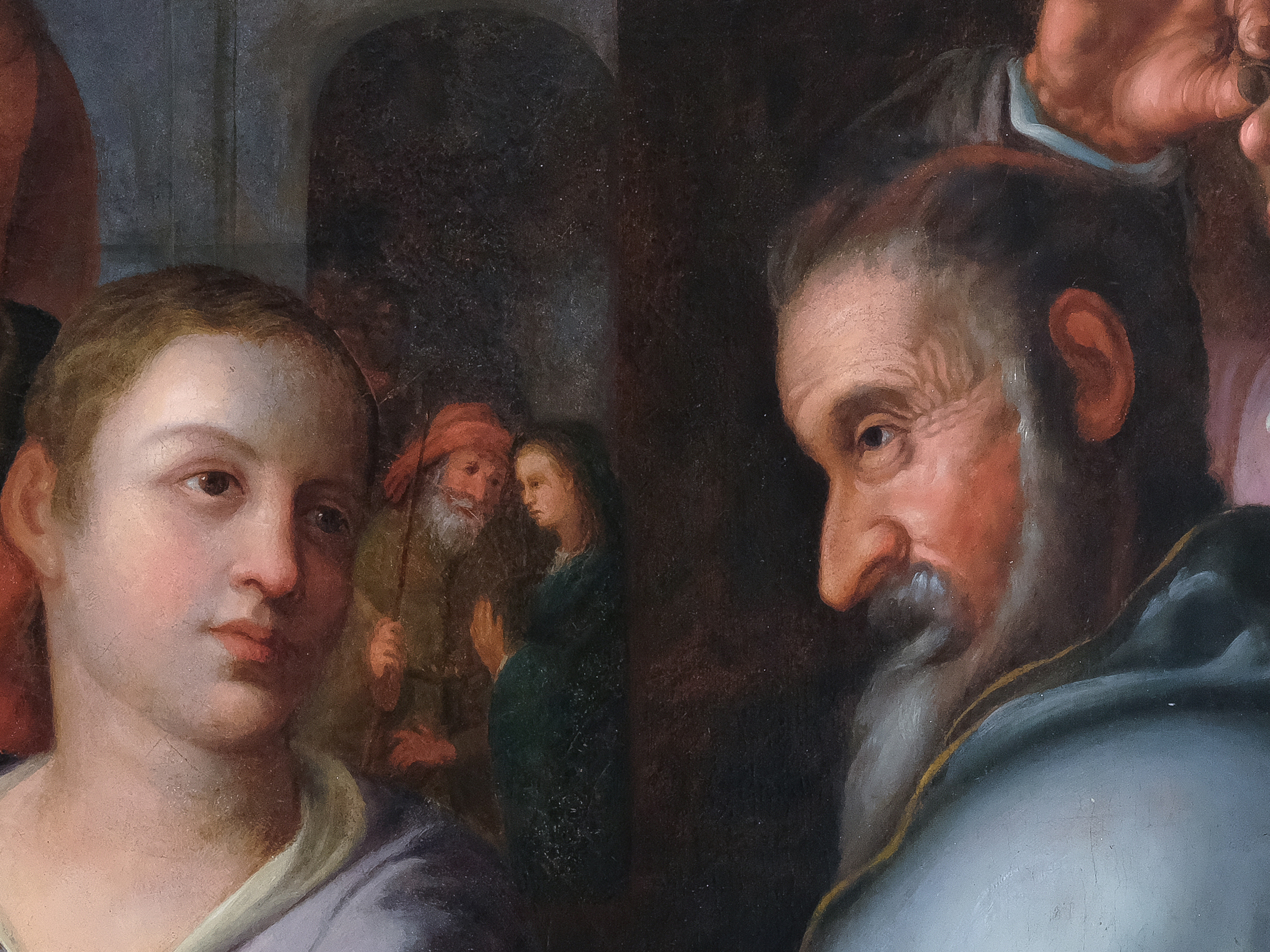
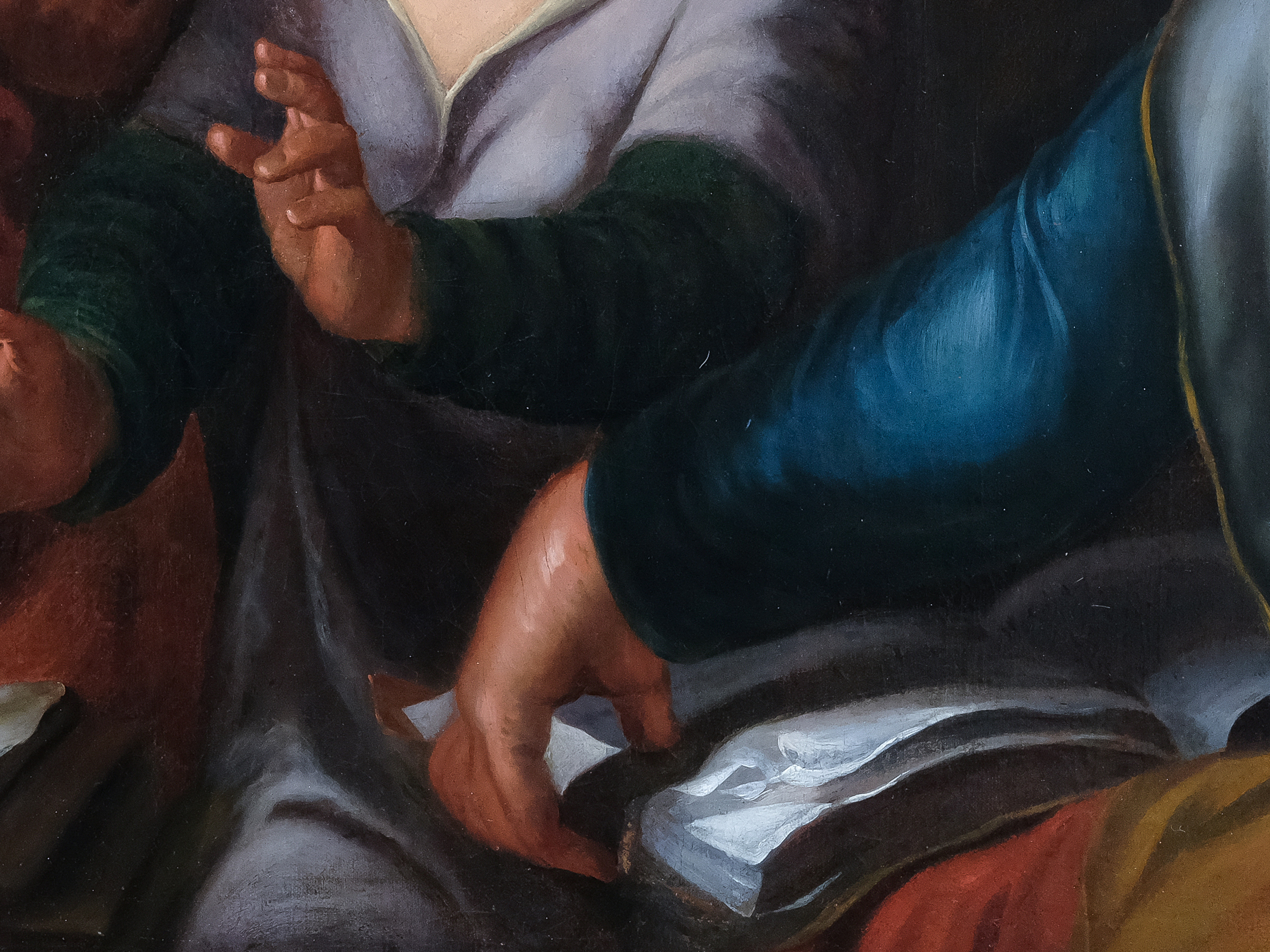
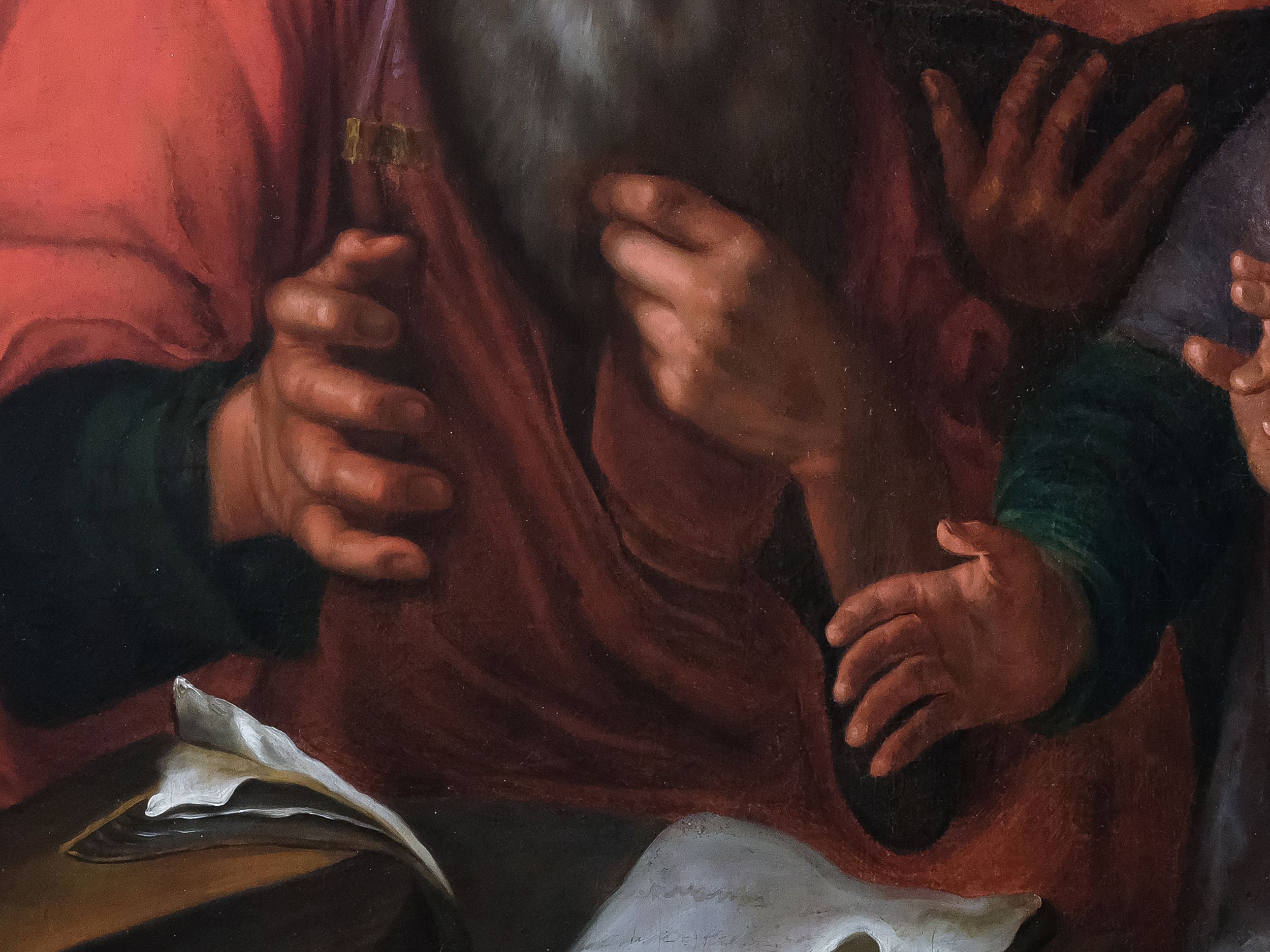
At the center of the composition stands the youthful figure of Christ, highlighted by deliberate lighting and thus forming the focal point both visually and thematically. He is surrounded by numerous scholars, whose individual physiognomies and expressive gestures enliven the scene. Christ is depicted in lively motion: he gestures with his hands and turns toward a man on his left, who is presenting him with an open codex and apparently pointing to a passage in the text. To Jesus’s right stands a scholar wearing a turban, who is also gesturing, thereby reinforcing the impression of an intense, almost controversial exchange. A particularly distinctive figure is the man in the background on the right, who holds his glasses to his nose and fixes a scrutinizing gaze on the boy. Other men on the right side of the painting appear to be following the conversation attentively, forming a sort of circle of listeners. Behind the central group, the dark interior opens up, revealing a view to the outside. There, two smaller figures can be discerned, which can be interpreted as Mary and Joseph, who have found their son in the temple. This spatial layering enhances the sense of depth and lends the scene an additional narrative dimension.
The painting impressively illustrates Pieter Wtewael’s stylistic affinity with his father’s Mannerist tradition, particularly in the emphasis on expressive gestures, the nuanced characterization of the figures, and the complex compositional structure. At the same time, a certain clarity and focus emerges, suggesting an independent further development of this tradition. Within early 17th – century Utrecht painting, Pieter Wtewael thus occupies an interesting intermediate position: he preserves the artistic skill of late Mannerism, yet combines it with a stronger focus on narrative conciseness. His comparatively small but high – quality body of work makes him an important, if long – underestimated, figure in Dutch art history.
I hereby place a purchase order for the exhibit listed below at the purchase price stated below.
Login
Login
Bid form
With this purchase order, I authorize TIBERIUS AUCTIONS to bid in my name and on my account up to the specified purchase limits or to contact me for a telephone bid during the auction.
Subscribe to our newsletter to be informed about upcoming auctions.