
Pietro Paltronieri, known as Mirandolese
TIBERIUS – DIRECTSALE
Selling price
€ 8.200
Pietro Paltronieri, known as Mirandolese
1673 – 1741
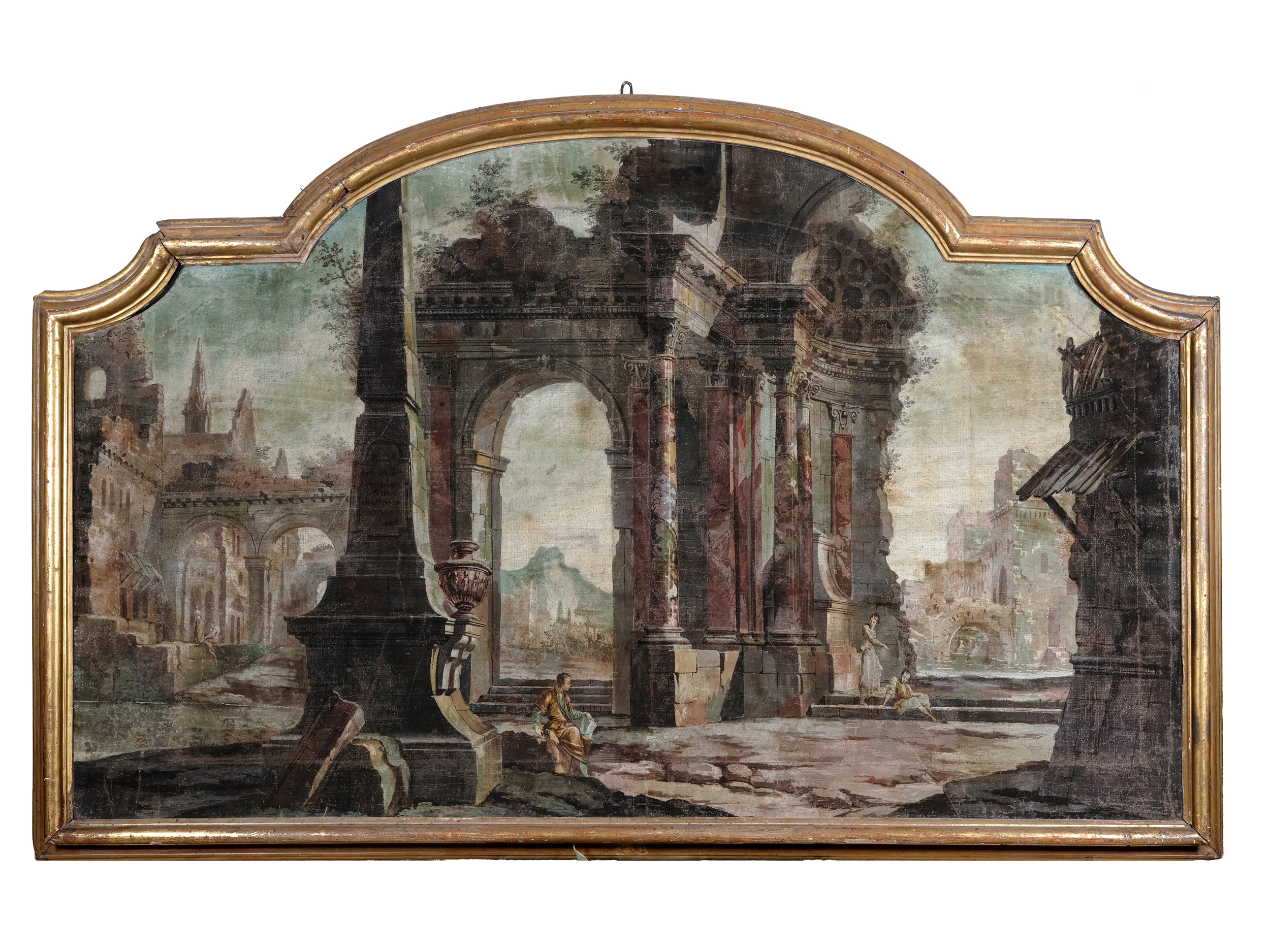
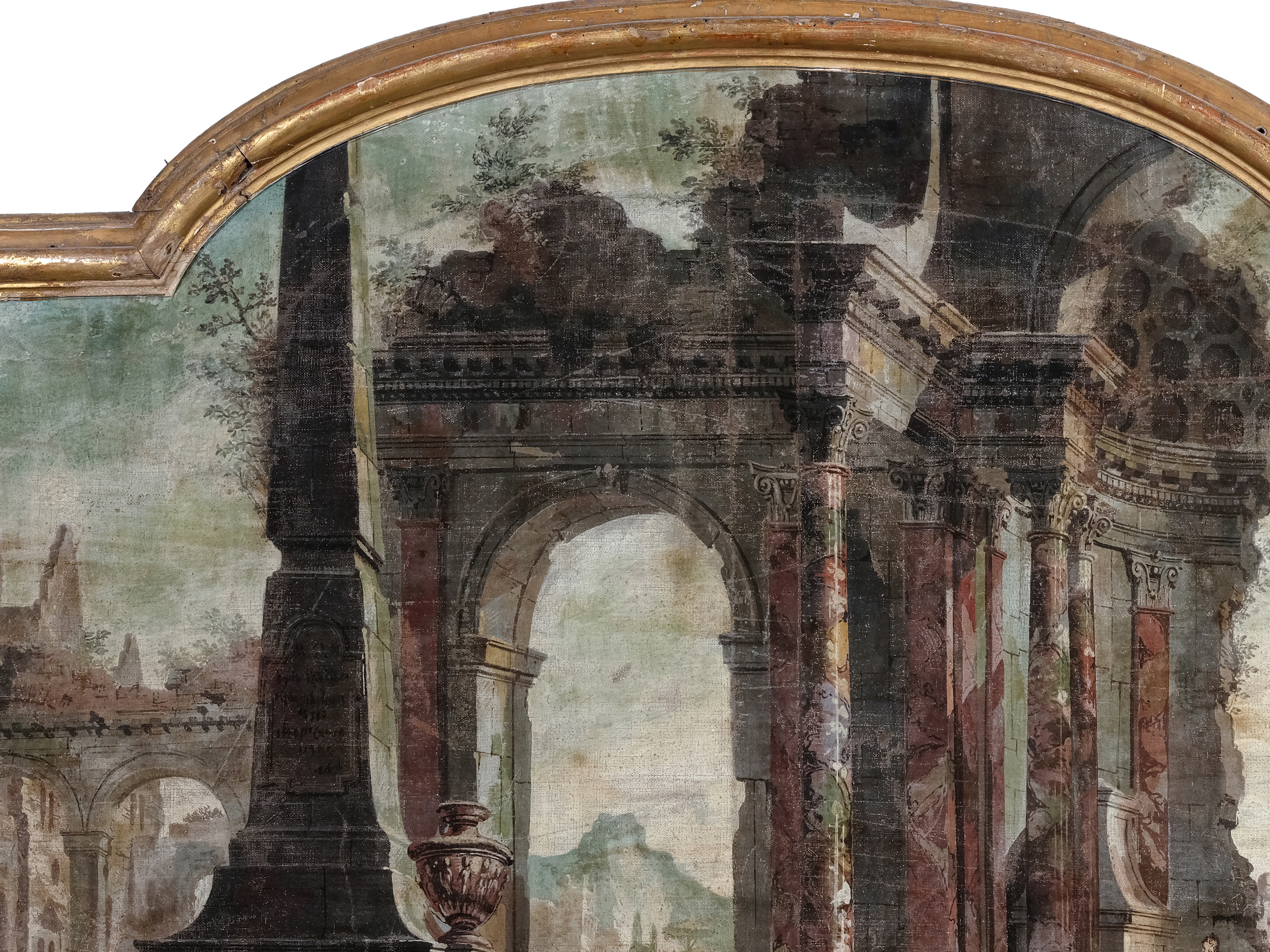
Architectural Capriccio with Figures
Tempera on canvas, molded border
114 x 187.1 cm, with frame 127.3 x 202.3 cm
Provenance: Auction at the Dorotheum (Old Masters II, 2022, Lot 272), since then in the Vienna private collection of Dr. Adrian Hollaender
This collection of renowned Old Masters, built up over many years with both expertise and good taste, comes from the home of the well – known Viennese lawyer, author (e.g., “Pavarotti – Addio Luciano,” “Legends and Stars of Opera”), and cultural manager Dr. Adrian Hollaender.
Having grown up in a distinctly artistic environment, where his parents—the actress and artist manager Univ. – Prof. Ariane Hollaender – Calix, and the legendary long – time director of the Vienna State Opera, Ioan Holender, stood out as avid art lovers and collectors, Dr. Adrian Hollaender established himself as a collector of outstanding masterpieces of painting.
His collection, now being offered exclusively for auction at Tiberius Auction House, comprises select works by famous Italian masters, such as Andrea Vaccaro’s well – known Old Testament painting “Abraham dismissing Hagar and Ishmael,” which bears his monogram; Sassoferrato’s atmospheric “Madonna in Prayer” or old Venetian masterpieces by Nicolò Bambini and Francesco Corneliani and the legendary Il Mirandolese, through impressive portraits by the Turin master painter La Clementina, to Dutch masters such as van Goyen and Pieter Wtewael, as well as, as special additions, an old French tapestry and a typical Matisse.
Pietro Paltronieri, known as Il Mirandolese, is one of the leading figures of Emilian architectural painting in the early 18th century. Trained in Bologna, he followed the tradition of quadratura painting and specialized in illusionistic architectural depictions, which are often closely linked to stage design and decorative mural painting. His works are characterized by a pronounced interest in perspectival construction, architectural imagination, and atmospheric staging. Paltronieri worked for both ecclesiastical and secular patrons and moved in an artistic milieu strongly influenced by the Bolognese academic tradition. This painting, one of two pairs, was subjected to art – historical examination at the Dorotheum, and its classification within the artist’s oeuvre was confirmed.
The architectural capriccio to which this work belongs represents a distinct pictorial genre that combines real and imaginary architectural elements into idealized, often ruinous architectural landscapes. This genre enjoyed great popularity, particularly in the 17th and 18th centuries, as it combined both antiquarian interest and a poetic reflection on the transience and grandeur of past cultures. Artists such as Paltronieri developed complex compositions in which classical architectural elements—column orders, arches, domes—were freely combined and placed in new, often theatrical contexts. The inclusion of figures serves not only to enliven the scene but also to establish scale and suggest narrative.
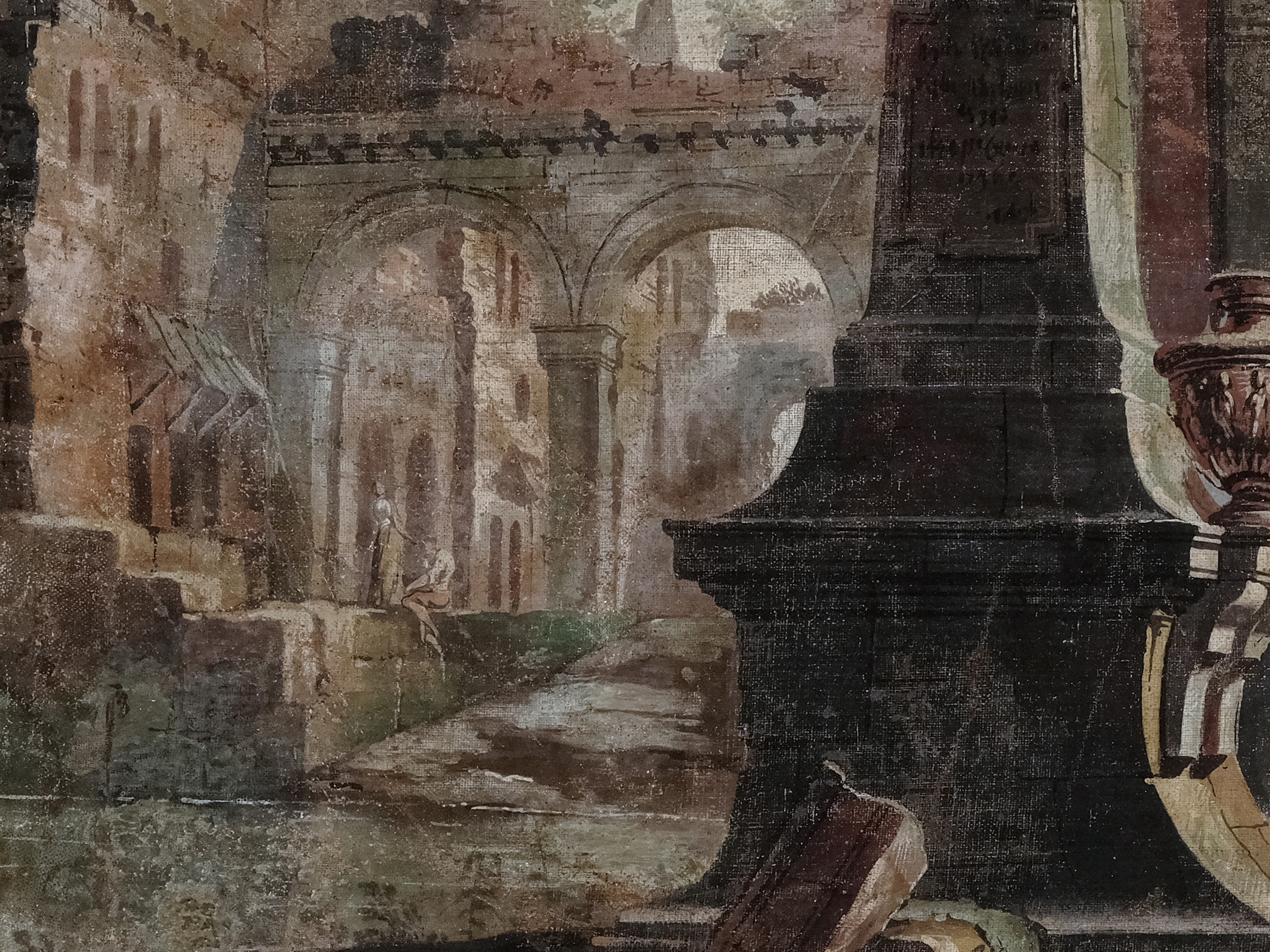
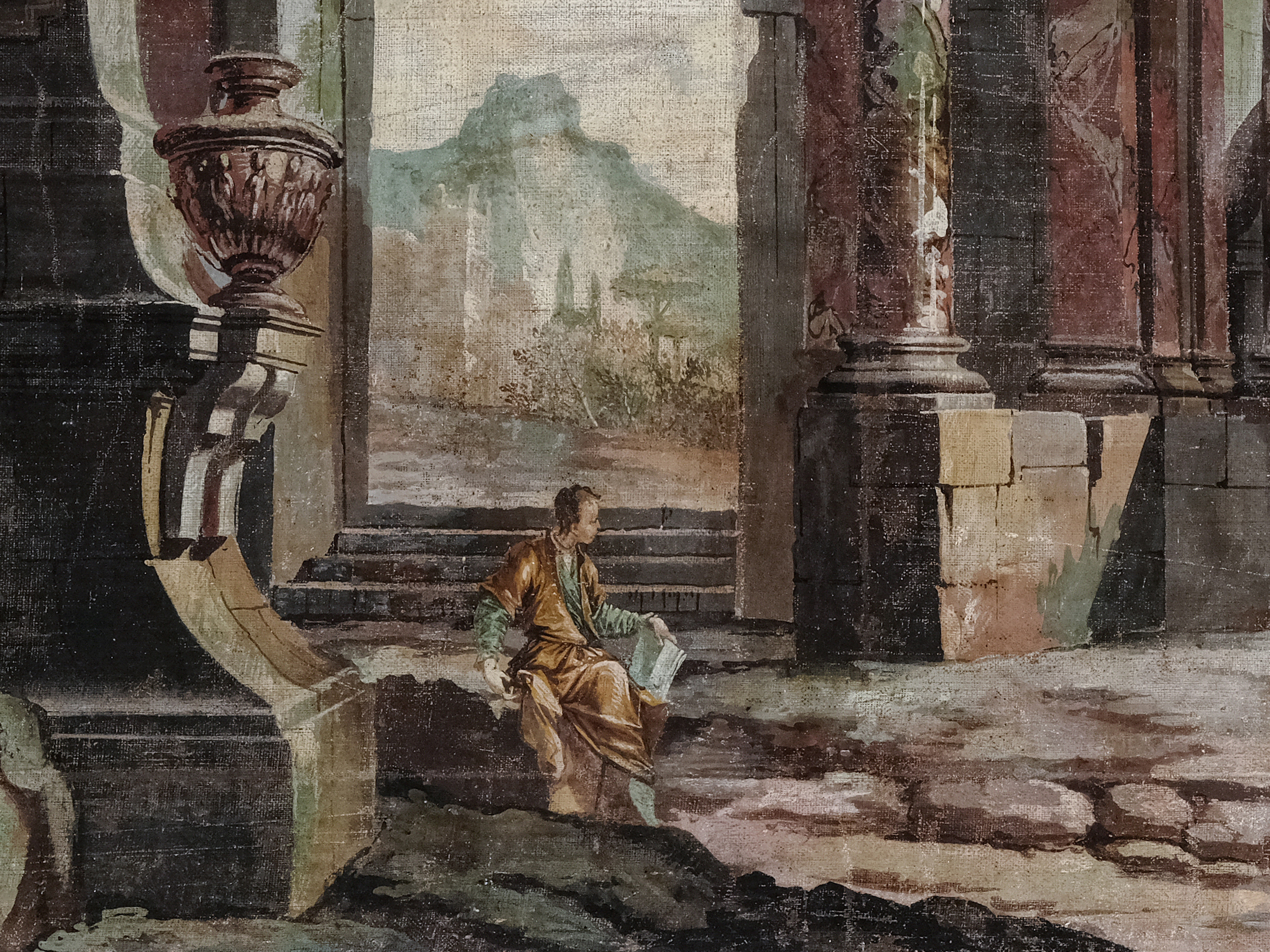
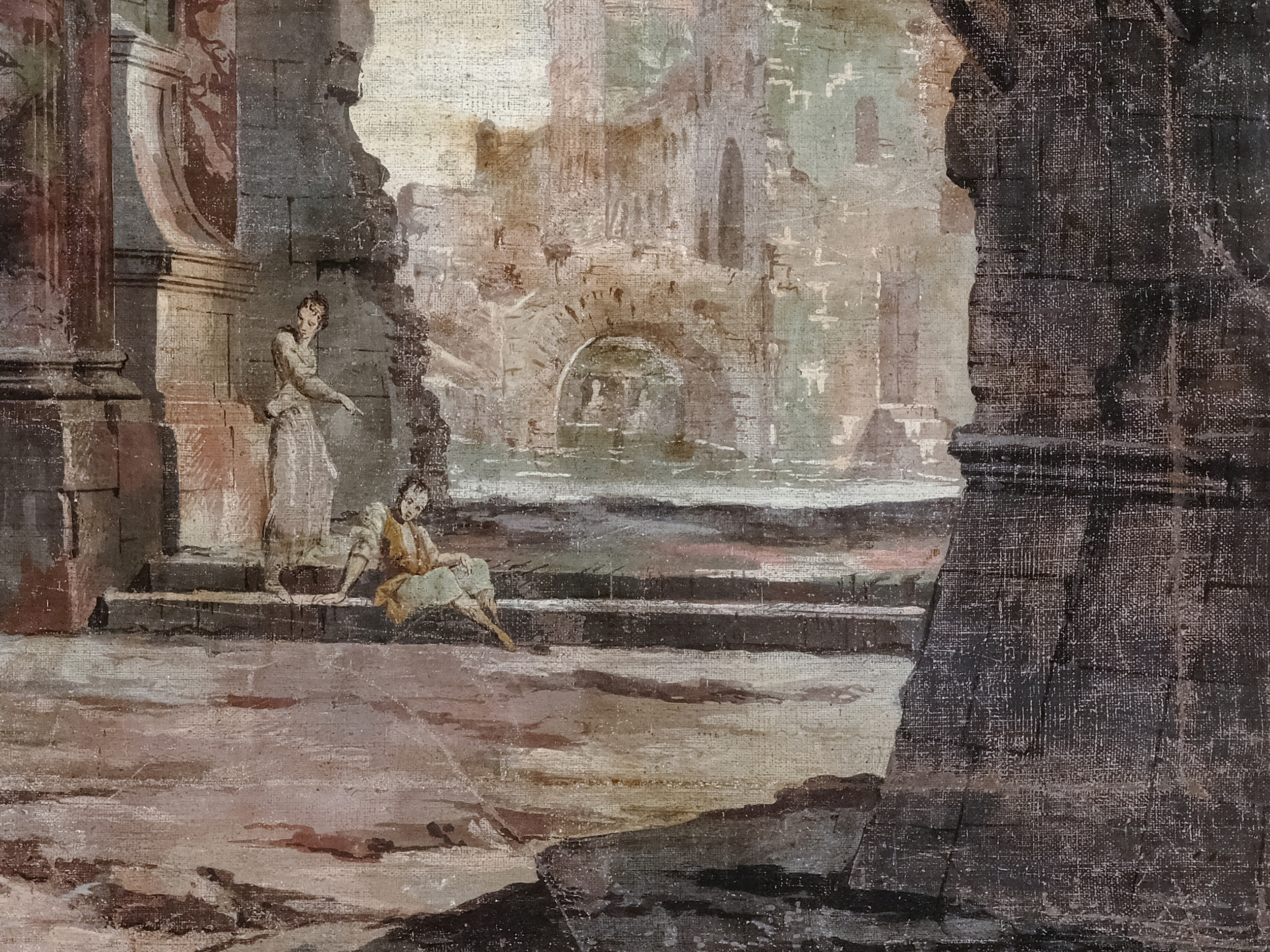
The composition unfolds within a multi – layered architectural setting. In the left foreground rises a pedestal – like structure tapering upward like an obelisk, next to which a male figure sits. Behind it lies a vast landscape of ruins characterized by monumental arched architecture. Several staggered columns and pilasters structure the façade and support a partially preserved entablature with a frieze, above which another architectural structure is hinted at, transitioning into a larger arch. In the background, this sense of space is enhanced by the remains of a domed structure, which lends the scene additional depth. Below this architecture are two female figures—one standing, the other seated—who appear to interact with the figure in the foreground, suggesting a communicative situation. In the distant background as well, buildings in a state of decay are depicted, thereby repeating the motif of ruins as the central theme of the composition. The entire scene is carefully constructed and combines architectural rigor with painterly freedom.
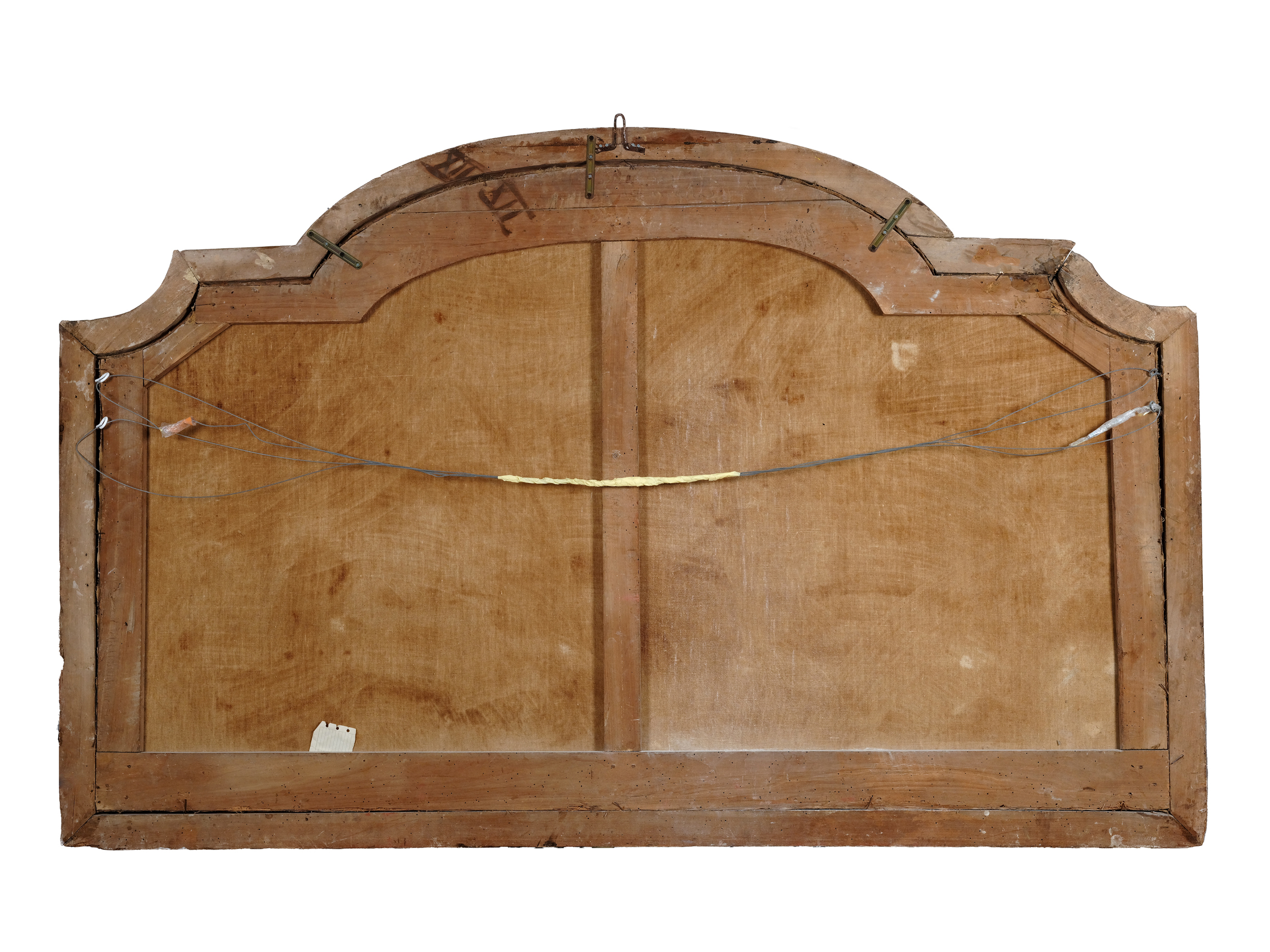
Paltronieri’s work is of particular significance for the development of architectural painting in northern Italy, as it exemplifies the combination of perspectival precision and imaginative design. His capricci oscillate between reality and fiction and reflect the contemporary interest in antiquity, theater, and illusion. The present counterpart is also distinguished by its unusually shaped, polygonal format, which underscores the decorative character of the painting and may suggest an original integration into an architectural or spatial ensemble. This distinctive form enhances the impact of the depicted architecture and allows the painting itself to become part of the illusionistic world it portrays.
Login
Hiermit stelle ich einen Kaufauftrag für das unten angeführte Exponat zum unten angeführten Kaufpreis.
Login
Registrieren
I hereby place a purchase order for the exhibit listed below at the purchase price stated below.
Login
Login
Bid form
With this purchase order, I authorize TIBERIUS AUCTIONS to bid in my name and on my account up to the specified purchase limits or to contact me for a telephone bid during the auction.

Subscribe to our newsletter to be informed about upcoming auctions.